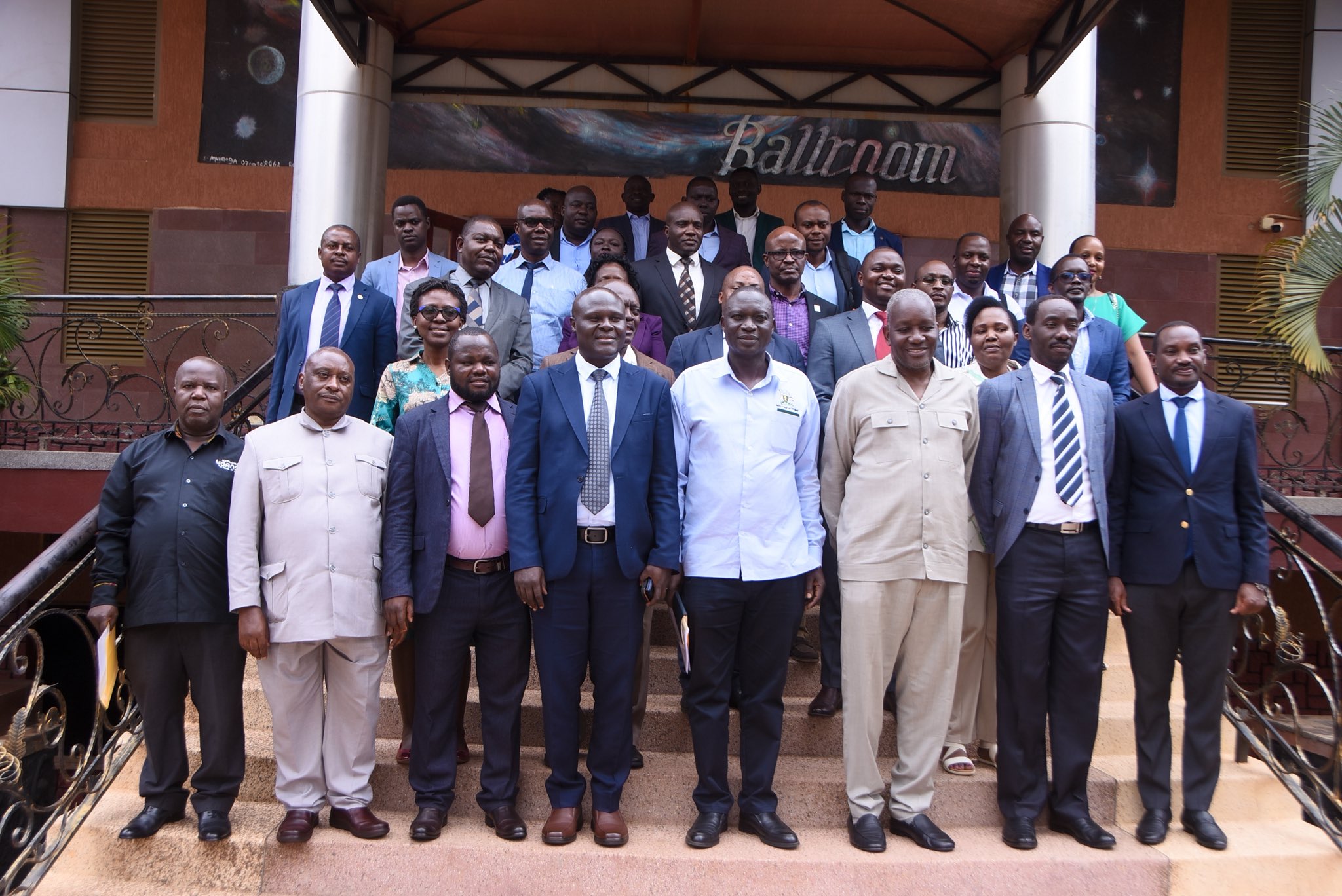

Ministry of Water and Environment is reorienting its water access approach from village-level coverage to ensuring safe water reaches individual households, reducing long-distance treks. The Permanent Secretary, Alfred Okot Okidi announced this on March 6, 2026, during a budget workshop for the 2026/27 financial year at Silver Springs Hotel in Bugolobi, Kampala. With over 80% of villages now equipped with clean water sources, the ministry deems rural coverage substantially achieved.
Okidi stressed that water is an essential human right, and citizens should not travel far to fetch it, a burden often falling on women and children. The strategy aims to enhance water, sanitation, and hygiene (WASH) outcomes by bringing sources closer to homes, thereby curbing disease outbreaks and improving public health in rural and underserved areas.

Such partnerships will address sustainability gaps in donor-dependent funding, promoting resilient infrastructure amid population growth and climate challenges. Uganda’s water endowment, covering 18% of its land, positions it well, but equitable distribution remains critical for health and productivity.
Okidi challenged the National Water and Sewerage Corporation (NWSC) to prioritize Wakiso district, part of the Kampala metropolitan area yet facing acute scarcity. Residents endure dry taps for weeks, resorting to jerrycans at Shs500 each, unaffordable for many, or unsafe open wells shared with animals.
This household-centric push aligns with Sustainable Development Goal 6 for universal water access by 2030, addressing gaps where rural functionality lags at around 50-70% despite coverage gains. Events like the upcoming Uganda Water and Environment Week 2026 will spotlight innovations from government-private collaborations.
While rural villages near 80-90% coverage in some metrics, peri-urban areas like Wakiso highlight inequities, with 36% of rural dwellers still lacking reliable sources. Strengthening O&M frameworks and equity will be pivotal for long-term resilience.