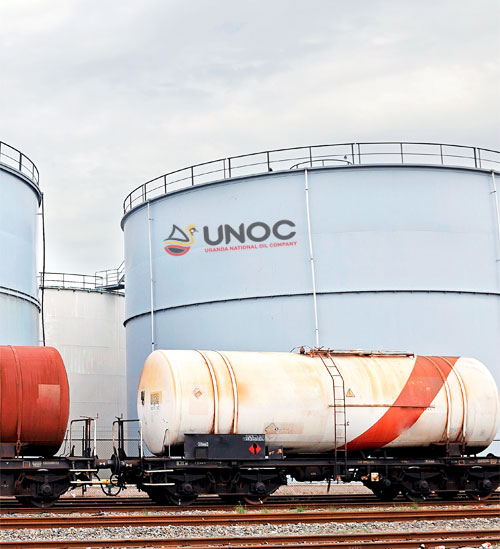

Uganda continues to maintain relatively competitive fuel prices despite global market volatility and its landlocked position. Petrol prices average between Shs 5,290 and Shs 5,400 per litre, below the global average of about Shs 5,521, and lower than several regional and international markets.
To sustain supply, the Ministry of Energy and Mineral Development and Uganda National Oil Company have secured over 450 million litres of fuel shipments via Kenya and Tanzania. These include 183 million litres of petrol, 258 million litres of diesel, and 23 million litres of jet fuel expected between May and June, aimed at strengthening national reserves and shielding the country from global shocks. 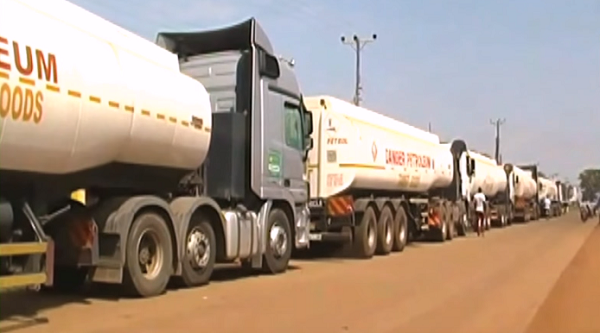
Current stock levels remain stable, with 70.5 million litres of petrol (19 days of cover), 43.7 million litres of diesel (12 days), and 32 million litres of jet fuel (53 days). Uganda’s supply is largely supported by global trader Vitol, whose diversified sourcing has helped maintain steady flows.
Compared to regional markets, Uganda’s prices remain competitive—Kenya averages about Shs 5,600 per litre, Tanzania Shs 5,430, Rwanda Shs 7,450, and Malawi Shs 14,200. Prices are significantly higher in developed economies such as France (Shs 8,600), Germany (Shs 8,900), and the Netherlands (Shs 10,050), as well as in markets like Hong Kong (over Shs 15,300).
This advantage is notable given Uganda’s reliance on imported fuel transported over long distances, which typically raises costs. Analysts attribute the relatively lower prices to efficient procurement systems and a moderate tax regime. In contrast, countries with much lower prices—such as Libya (Shs 88), Iran (Shs 106), and Venezuela (Shs 130)—benefit from domestic production and subsidies.
While global oil markets remain under pressure due to geopolitical tensions, particularly around the Strait of Hormuz, Uganda’s authorities maintain that supply is stable. The country consumes about 2.3 million litres daily, and ongoing large-scale shipments are expected to ensure continued availability, price stability, and energy security.