

Uganda has taken a major step toward improving sickle cell treatment with the launch of the country’s first locally manufactured hydroxyurea plant, a development expected to reduce medicine shortages, lower treatment costs, and improve access to life-saving care for thousands of patients nationwide.
The new manufacturing facility, established by Quality Chemical Industries Limited in Luzira, Kampala, was officially commissioned on May 20, 2026. During the launch, the company also unveiled Sikurea, a locally produced hydroxyurea medicine used to manage sickle cell disease.
Speaking at the event, Dr Diana Atwine described the initiative as a turning point for Uganda’s healthcare system, saying local production would allow the country to take control of its medicine supply chain and reduce dependence on imported drugs.
“We will not have stock-outs, delayed shipments, or foreign exchange shortfalls. Uganda is now in charge of its own supply chain,” Atwine said.
She revealed that the Ministry of Health plans to gradually expand sickle cell treatment services from national referral hospitals to regional hospitals, Health Centre IVs, and eventually lower facilities such as Health Centre IIIs and IIs. The move is intended to reduce the burden on families who currently travel long distances to access specialised treatment.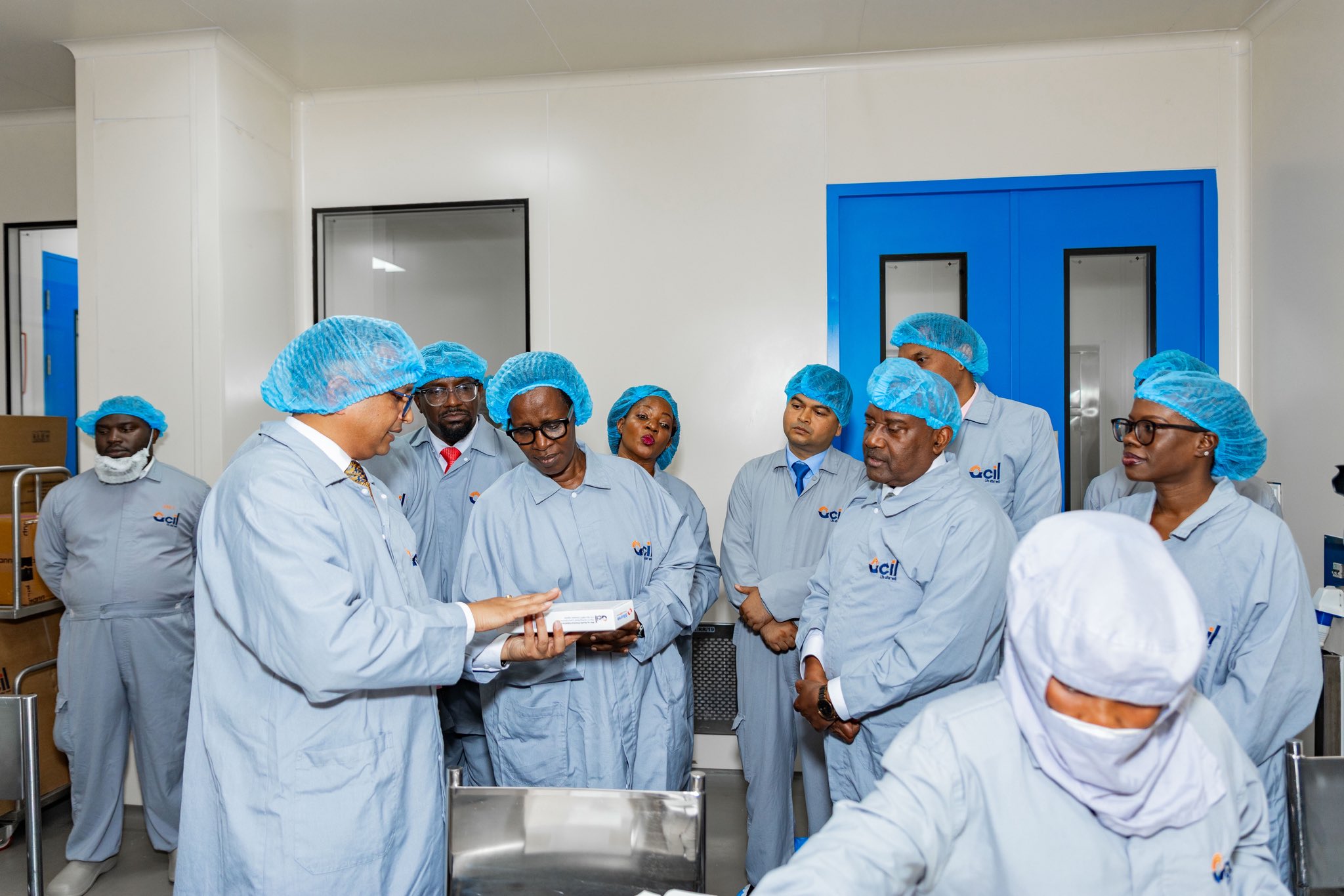
“We want services closer to communities. We also plan to train more health workers and community health extension workers to support early testing and treatment,” she added.
For many years, Ugandan patients have relied on imported hydroxyurea, a medicine proven to reduce painful sickle cell crises, lower hospital admissions, decrease blood transfusions, and improve survival rates among both children and adults living with the disease. However, high costs and unreliable supply chains have made consistent treatment difficult for many families.
In private pharmacies, imported hydroxyurea has often cost between UGX 150,000 and UGX 300,000 per month, making it unaffordable for many households already struggling with medical bills, transport expenses, and long-term caregiving. The situation worsened during and after the COVID-19 pandemic, when global supply chain disruptions exposed Uganda’s heavy dependence on imported pharmaceuticals.
According to health officials, Uganda has spent billions of shillings importing specialised medicines over the years. Experts believe local manufacturing will significantly lower treatment costs while strengthening medicine security across the country.
At Mulago National Referral Hospital alone, doctors attend to nearly 500 sickle cell patients every week, most of them children. Medical specialists say interruptions in treatment often lead to severe complications, repeated emergency admissions, and prolonged hospital stays.
Dr Deogratias Munube explained that wider access to hydroxyurea would help reduce complications before they become life-threatening and lower the demand for emergency blood transfusions.Uganda records an estimated 20,000 babies born with sickle cell disease every year, placing the country among those with the highest global burden of the condition. More than 36 percent of Ugandans are believed to carry the sickle cell trait.
Atwine noted that sickle cell disease continues to place enormous pressure on paediatric wards, with some hospitals reporting that over half of child admissions involve sickle cell patients.
“This will significantly reduce admissions because treatment will now move closer to the people,” she said.
During the launch, Ajay Kumar Pal described the new facility as a symbol of Africa’s growing pharmaceutical independence.
“Africa is writing a new chapter — one of dignity, self-reliance, and homegrown healing,” Pal said.He added that the project represents more than manufacturing medicine; it is about restoring hope to families who have lived with uncertainty for years.
Meanwhile, Emmanuel Katongole said the hydroxyurea plant marks a long-awaited African solution to a disease that has affected millions of families across the continent for generations.
“For decades, Africa exported raw materials and imported expensive medicines. This facility changes that story,” Katongole said.
The Ministry of Health has also confirmed plans to increase funding for hydroxyurea procurement and push for the medicine’s inclusion on Uganda’s essential medicines list to ensure wider nationwide access.
With local production now underway, Uganda is positioning itself to strengthen sickle cell care, improve survival rates, and bring affordable treatment closer to communities across the country.