
Uganda has reaffirmed its commitment to ending HIV/AIDS as a major public health threat by 2030, taking full ownership of the national response amid changes in international aid support.
The government now invests about Shs1.9 trillion annually in HIV prevention, treatment, and care, ensuring free access to life-saving antiretroviral drugs and laboratory services across the country.
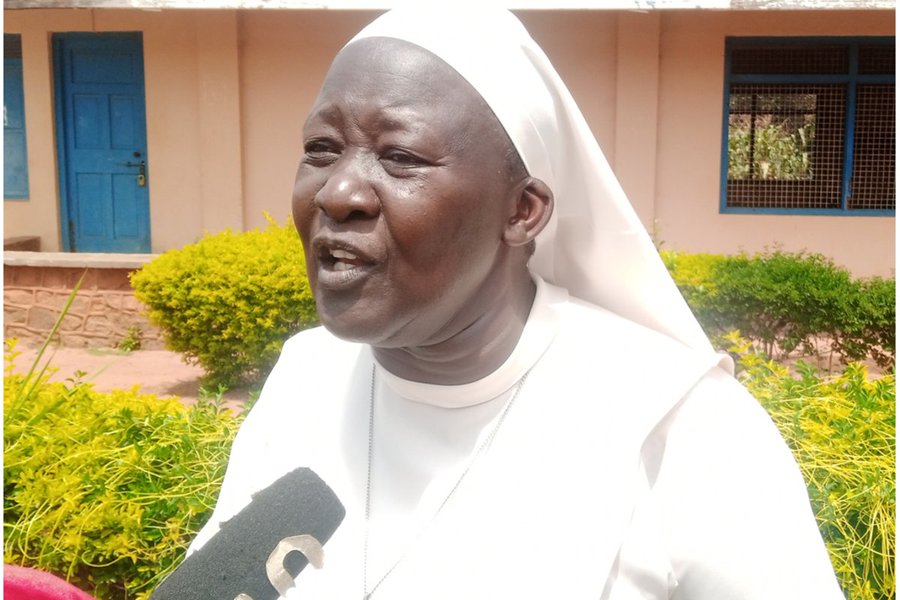
Speaking in Lira City during the 2026 Provincial National Widows’ Day celebrations, Uganda AIDS Commission (UAC) board member Dr Sr Grace Mary Akiror said women and girls remain the most affected, accounting for 78 percent of young people living with HIV. Socio-economic challenges continue to expose many young girls to exploitation and increased risk of infection.
Despite higher infection rates among women, men record more HIV-related deaths due to poor treatment adherence, delayed health-seeking behavior, and alcohol abuse. Dr Akiror urged communities to promote responsibility, protection, and support for people living with HIV.
She also highlighted stigma, land grabbing, and economic insecurity among widows as barriers to effective treatment and wellbeing, stressing that love and community support are essential to successful HIV care.
The UAC called on the media to strengthen awareness campaigns and deliver accurate health information in local languages, while faith-based institutions continue supporting prevention efforts, patient care, and community outreach.
With sustained government funding, public awareness, and collective action, Uganda remains focused on eliminating HIV/AIDS by 2030.