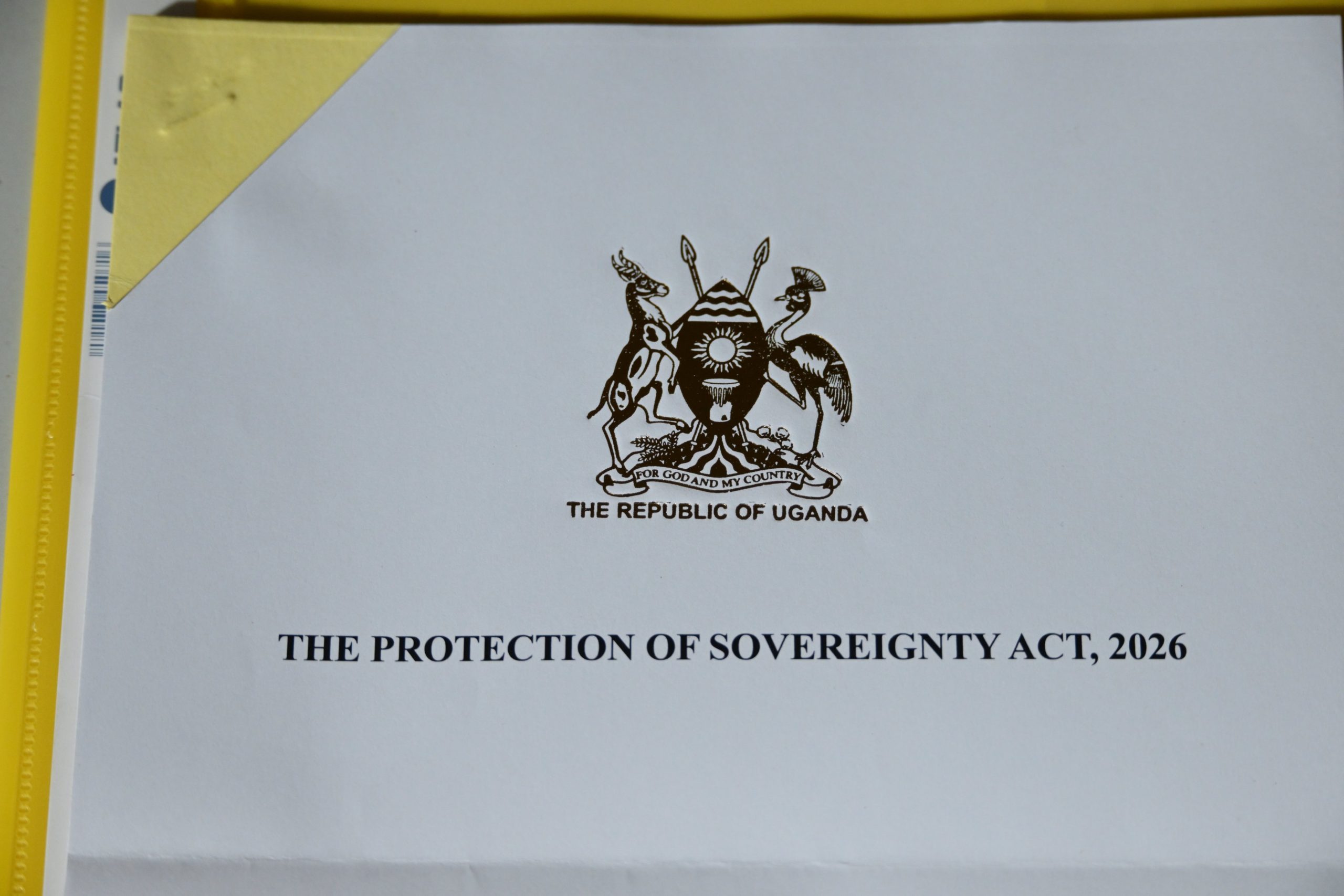

President Yoweri Museveni on May 17, 2026, officially signed the Protection of Sovereignty Act, 2026 into law, marking a major milestone in Uganda’s governance and national policy direction.
The legislation was enacted just 12 days after Parliament passed it on May 5 following heated debate, public scrutiny, and several amendments aimed at refining its scope. Lawmakers approved the revised bill with a decisive 292-52 vote after weeks of discussion surrounding its potential impact on civil society organizations, diaspora remittances, and foreign-funded initiatives.
The new law requires individuals and organizations identified as “agents of foreigners” those receiving foreign funding or promoting external interests to register with the Ministry of Internal Affairs. It also regulates foreign funding and criminalizes activities considered to prioritize foreign interests over Uganda’s national interests. Under the amended version, offenders may face penalties of up to 10 years in prison.
However, the Act includes exemptions to protect legitimate business and development activities such as trade, investment, humanitarian aid, remittances, and academic cooperation.
The legislative journey began on April 15 when the bill was first tabled in Parliament. Early drafts triggered concern among rights groups and sections of the public who feared the law could restrict civic space and affect non-governmental organizations. President Museveni later intervened personally, directing lawmakers to revise clauses considered too broad and to safeguard economic and development partnerships.
Museveni described the law as part of Africa’s long struggle for self-determination and freedom from external control. In an earlier statement issued on April 30, he linked the legislation to historical events including the transatlantic slave trade, colonialism during the Scramble for Africa, and the Pan-African liberation movements that culminated in the end of apartheid in South Africa in 1994.
Quoting former Tanzanian leader Julius Nyerere, Museveni emphasized that true independence means having the freedom to make a nation’s own decisions — including its own mistakes.
Since taking power in 1986 after a five-year bush war, Museveni has consistently championed national sovereignty and warned against what he describes as neo-colonial influence. He has previously pointed to foreign involvement in political unrest, including the 2024 youth protests.
State House hailed the signing of the Act as a landmark step toward strengthening Uganda’s independence in governance and decision-making. While critics remain concerned about possible effects on civil liberties, the government insists the law is intended to curb undue foreign interference rather than block legitimate partnerships. 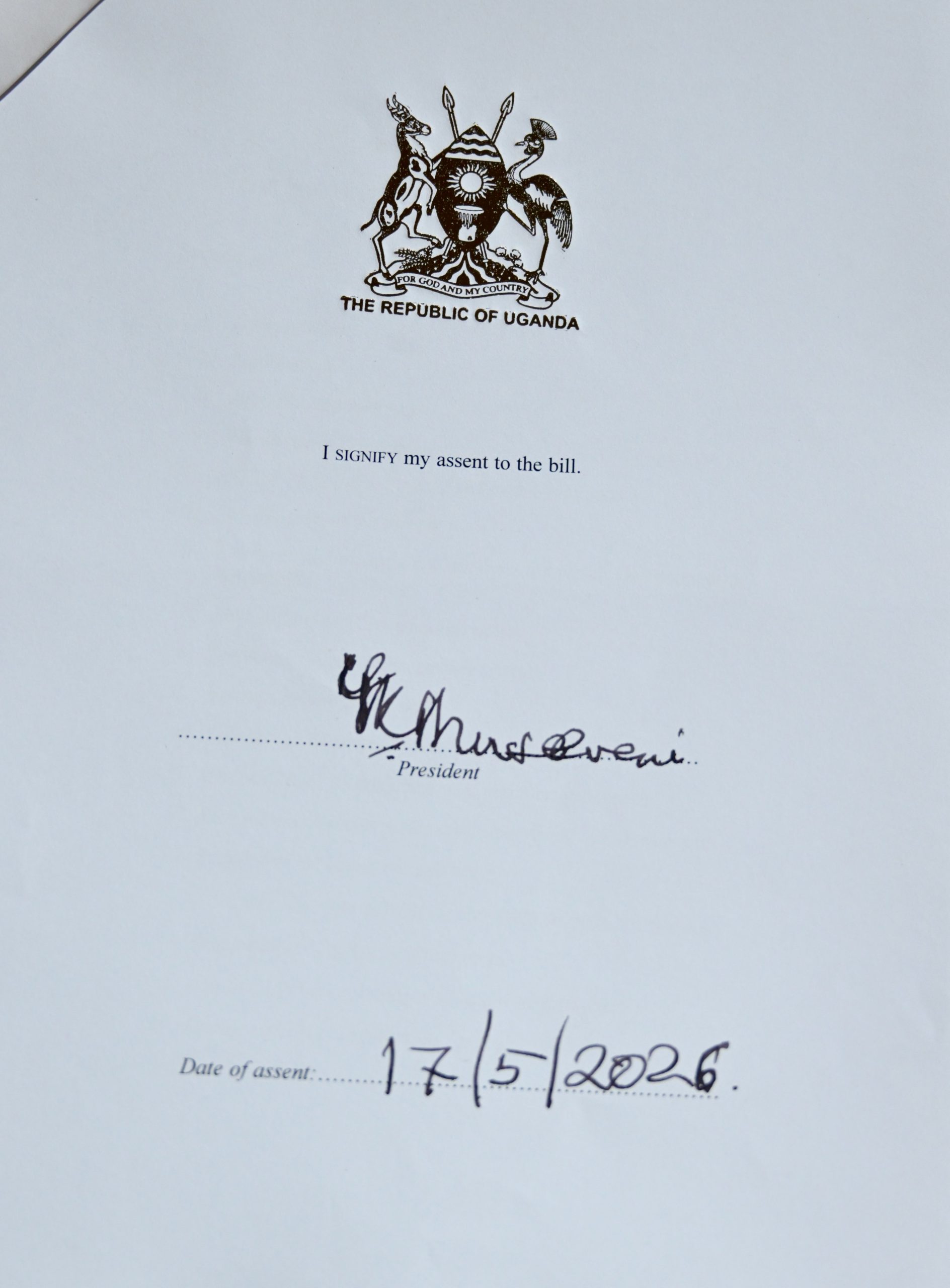
The Protection of Sovereignty Act takes immediate effect and will be enforced by the department responsible for peace and security.