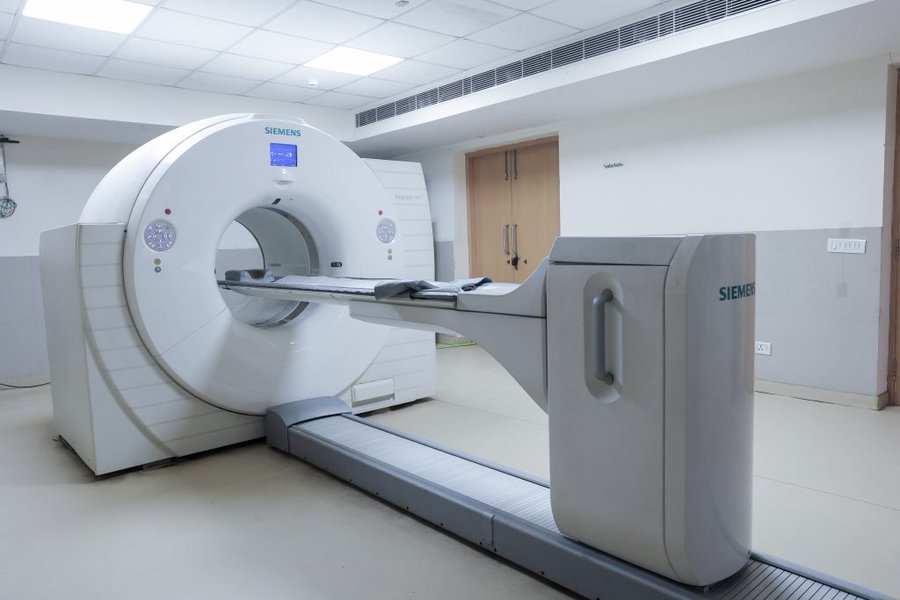

The Uganda Cancer Institute (UCI) has received a Positron Emission Tomography (PET) scanner, with installation now underway, marking a significant step towards providing advanced cancer diagnostic services within Uganda.
A PET scan enables doctors to observe activity inside the body at a cellular level. When combined with Computed Tomography (CT) imaging, it helps identify the location of cancer, determine whether it has spread and assess how patients are responding to treatment.
The development is expected to reduce the need for some patients to travel abroad for specialised cancer diagnostics, easing the financial and emotional burden associated with overseas treatment, accommodation and medical care.
The PET scanner forms part of UCI’s broader expansion of its Division of Molecular Imaging and Therapy, which includes molecular imaging, radiopharmacy and targeted cancer treatment services. The institute previously indicated that the development of PET facilities was part of the project’s second phase in 2025.
While the scanner has arrived, patient services will begin only after installation, testing and commissioning are completed, and technical and clinical teams are fully prepared to operate the system safely and effectively. The installation process is expected to be completed within two months.
UCI says molecular imaging is a key component of efforts to strengthen cancer diagnosis and treatment in Uganda, offering hope for greater access to specialised cancer care closer to home.