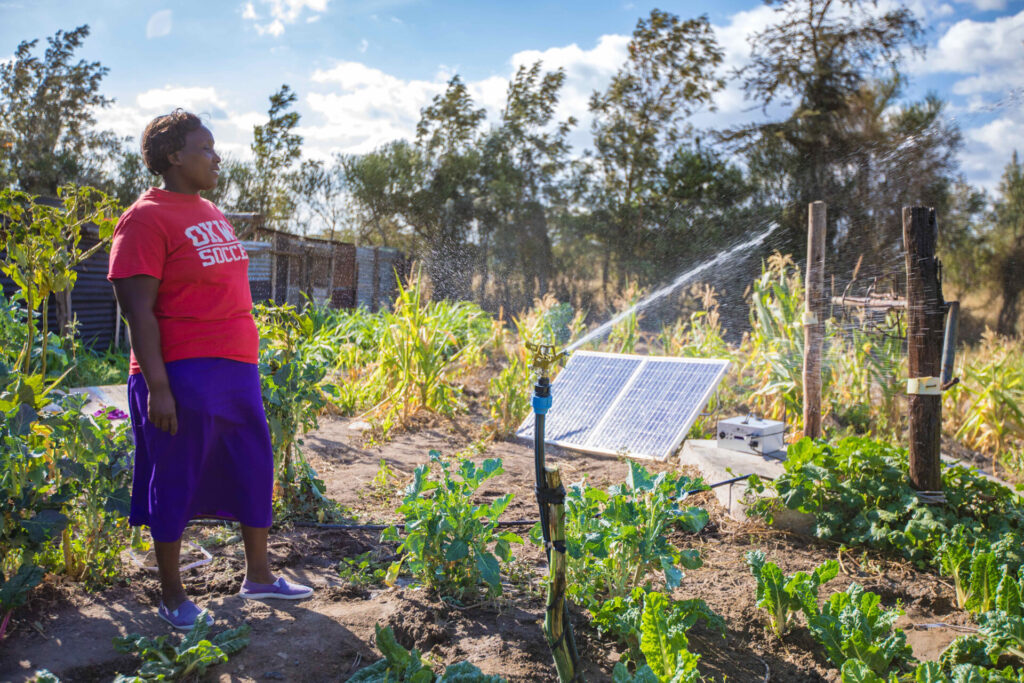

The government has set a target of placing 1.5 million hectares of farmland under irrigation by 2040 to reduce reliance on unpredictable rainfall and boost agricultural productivity.
Speaking at the Agri-connect stakeholders consultation in Kampala, MAAIF senior engineer Allan Ollando said the government is shifting from large irrigation schemes to smaller, farmer-focused systems. Uganda has 24.2 million hectares of arable land, but only 8.4 million hectares are currently utilised, with irrigation coverage standing at about 1.5 percent.
Ollando said about 40,000 hectares have been brought under irrigation in the last five years, with all current interventions aligned to achieving the 2040 target. The government is partnering with the private sector to expand access to affordable irrigation technologies, simplify procedures, streamline tax waivers on imported equipment, and address procurement delays.
Through matching grants, smallholder farmers are being supported to acquire micro-irrigation equipment, a model the government says has proven effective. However, challenges including limited access to water, financing, technology and land continue to slow progress.
Farmers called for affordable agricultural financing and quality inputs, while others urged the government to concentrate irrigation investments in selected regions for greater impact. The government also plans to strengthen local governments, update technical training curricula and establish regional irrigation hubs to improve irrigation service delivery nationwide.