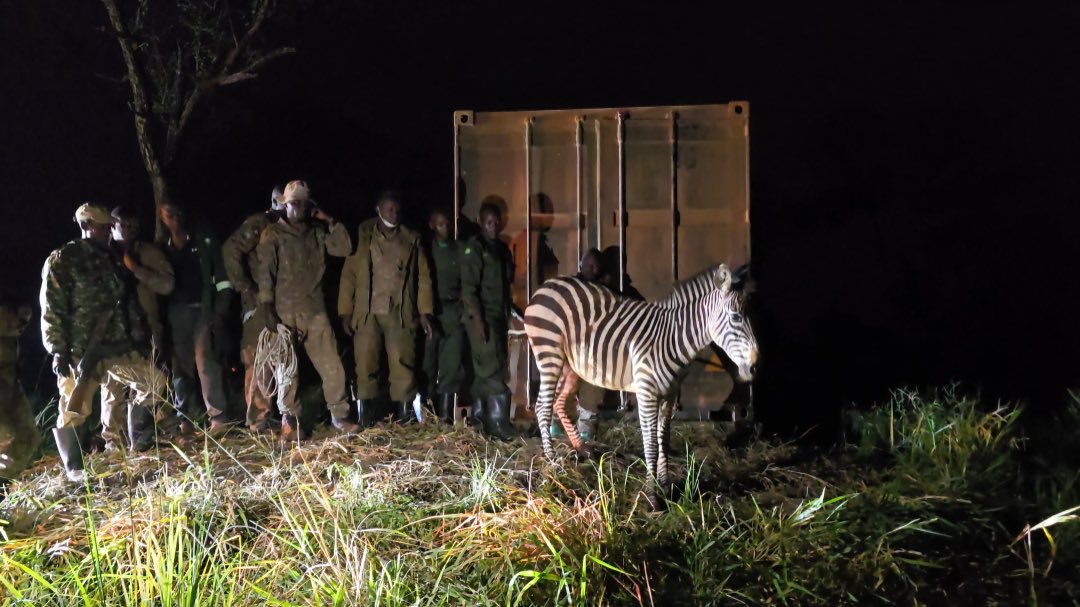

The Uganda Wildlife Authority (UWA) has taken another significant step in restoring Ajai Wildlife Reserve by reintroducing the first group of zebras, marking continued progress in efforts to revive the protected area’s wildlife and tourism potential.
The zebras were transported to the reserve on Friday night under an ongoing conservation programme aimed at rebuilding wildlife populations and restoring the ecological integrity of the West Nile conservation area. Their arrival follows the successful relocation of southern white rhinos to the reserve earlier this year, signalling steady progress in the reserve’s recovery.
Announcing the development on its official X platform, UWA said the zebra translocation forms part of a broader initiative to restore biodiversity and strengthen the reserve’s ecosystem after decades of wildlife decline.
Conservation experts note that zebras play a vital ecological role by feeding on tall, coarse grasses that many other herbivores avoid. This natural grazing pattern helps reduce dense vegetation, improves pasture for smaller grazing animals, and supports a healthier and more balanced ecosystem.
Beyond its environmental benefits, the return of zebras is also expected to boost tourism in the reserve, attracting more visitors while creating employment, business opportunities and improved livelihoods for communities living around Ajai Wildlife Reserve.
Once one of Uganda’s premier wildlife destinations, Ajai Wildlife Reserve was renowned for hosting several iconic species, including the northern white rhinoceros. However, years of poaching, insecurity and habitat destruction led to a dramatic decline in wildlife populations, leaving much of the reserve depleted.
To reverse that trend, UWA has in recent years intensified habitat restoration, strengthened wildlife protection measures and worked closely with neighbouring communities to support conservation efforts. The reintroduction of southern white rhinos marked the beginning of the reserve’s restoration programme, with the arrival of zebras representing another important milestone in rebuilding its wildlife diversity.
Officials say restoring key wildlife species will enhance the reserve’s ecological health, increase its appeal to both local and international tourists, and contribute to economic growth through sustainable tourism.
The zebra translocation is part of Uganda’s broader conservation strategy, which seeks to protect biodiversity while using wildlife-based tourism as a catalyst for environmental sustainability, community development and national economic growth.