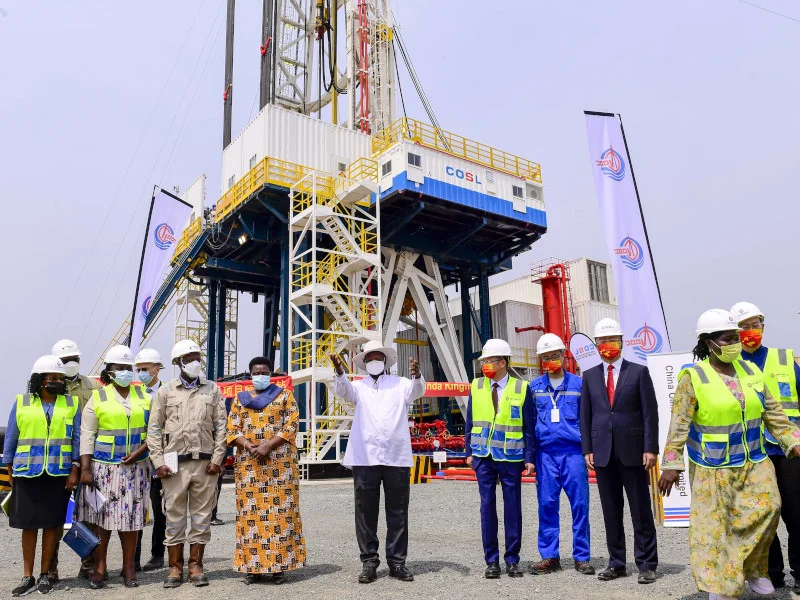

Uganda’s oil and gas sector is edging closer to a historic milestone, with the country’s export pipeline now nearing completion. Industry reports indicate that construction of the East African Crude Oil Pipeline (EACOP) is about 90% complete, while critical testing phases are underway to confirm its readiness for operation.
The ongoing pre-commissioning and commissioning processes—including hydro testing—are designed to ensure that the entire system, from pipelines and pump stations to storage tanks and the marine terminal, is safe, efficient, and leak-free. These checks are essential before Uganda can begin transporting its heated crude oil to international markets.
Meanwhile, significant progress is also being recorded upstream in the Tilenga and Kingfisher project areas. Here, feeder pipelines are being laid and buried, preparing to channel crude oil to central processing facilities and ultimately into the export pipeline.
This progress comes just ahead of the 11th Oil and Gas Convention scheduled at Speke Resort Munyonyo, where sector leaders are expected to review achievements and map out the next phase of Uganda’s petroleum journey. 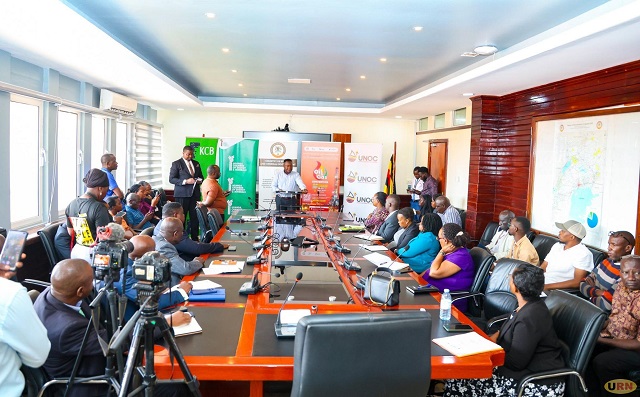
Gloria Sebikari, Manager of Corporate Affairs at the Petroleum Authority of Uganda (PAU), emphasized that while infrastructure development is critical, the real test lies ahead—ensuring that oil revenues translate into tangible benefits for Ugandans.
The export pipeline remains a cornerstone of the entire project, as it will transport crude oil to the Tanzanian coast for export via Tanga Port. According to projections, Uganda could achieve its first oil export by October 2026, provided the ongoing tests are successfully completed.
Encouragingly, supporting infrastructure such as the industrial park and airport is also expected to be ready within the same timeframe, although authorities remain cautious about announcing a fixed date for first oil.
Beyond infrastructure, the sector is transitioning into a long-term operational phase expected to span 20 to 30 years. Humphrey Asiimwe, CEO of the Uganda Chamber of Energy and Minerals (UCEM), noted that while exploration and construction have already delivered benefits, the future holds even greater opportunities in maintenance, digital innovation, and supply chains.
The industry’s broader economic impact is already visible. Over $2 billion in contracts have been awarded to local firms, generating around 80,000 jobs and equipping more than 7,000 Ugandans with specialized skills.
Local companies are also beginning to expand beyond Uganda’s borders. Firms like Threeways Shipping Services, founded in Hoima, have grown alongside the sector—handling logistics from early exploration equipment to heavy drilling rigs. Despite global challenges such as rising shipping costs linked to geopolitical tensions, these companies are now positioning themselves to compete across Africa’s oil and gas markets.
However, industry players are calling for stronger government support to help Ugandan businesses scale and seize regional and global opportunities.
As the country prepares for first oil, the focus is shifting from construction to ensuring inclusive growth. Stakeholders are now rallying to maximize local participation so that more Ugandans can benefit from the sector’s next chapter.
The upcoming convention is expected to draw participants from across the region, including Kenya and Nigeria, highlighting Uganda’s growing prominence as an emerging energy hub in Africa.