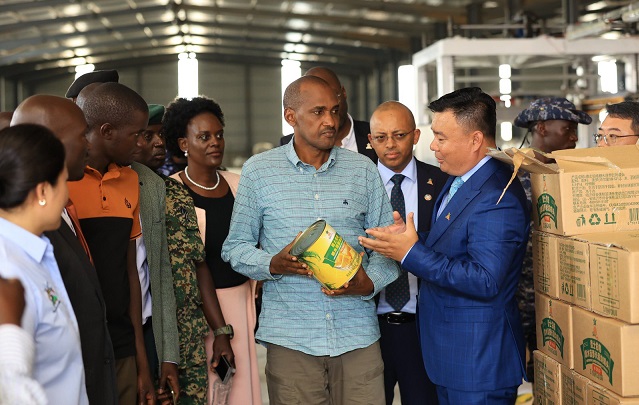

Uganda has taken a major step in transforming its agricultural sector after exporting its first commercial shipment of canned pineapples to China. The milestone signals a growing shift from exporting raw produce to value-added agricultural products, creating fresh opportunities for farmers and agro-industries across the country.
The inaugural consignment, weighing 104 metric tonnes, was dispatched from the Deshiburg Fruits International Co. Ltd processing plant in Luweero District, a region widely known for pineapple farming. The export marks a significant achievement in Uganda’s agro-industrialisation agenda aimed at reducing post-harvest losses, improving produce prices, and expanding international market access.
Speaking during the launch, outgoing Agriculture Minister Frank Tumwebaze described the factory as a game changer for pineapple growers. He noted that Deshiburg is the first investor in Uganda to establish a dedicated canned pineapple processing facility with the capacity to handle 500 tonnes daily.
According to Mr Tumwebaze, the factory will provide farmers with a stable and reliable market while solving the long-standing problem of produce wastage caused by limited processing and storage facilities. Pineapple farmers in districts such as Kayunga District and Nakasongola District have for years struggled with unstable prices, especially during peak harvest seasons.
He encouraged farmers and local leaders to embrace commercial agriculture and increase production to meet the growing demand created by expanding agro-industries.
Agriculture experts, however, warn that sustained success will depend on increased investment in irrigation, financing, extension services, and quality control systems to ensure farmers can consistently meet international standards.
The Food and Agriculture Organization’s representative in Uganda, Ezana Kassa, described the export as a landmark moment in Uganda’s agricultural transformation. He said the shipment demonstrates the country’s progress toward exporting processed and value-added products rather than relying solely on raw commodities. 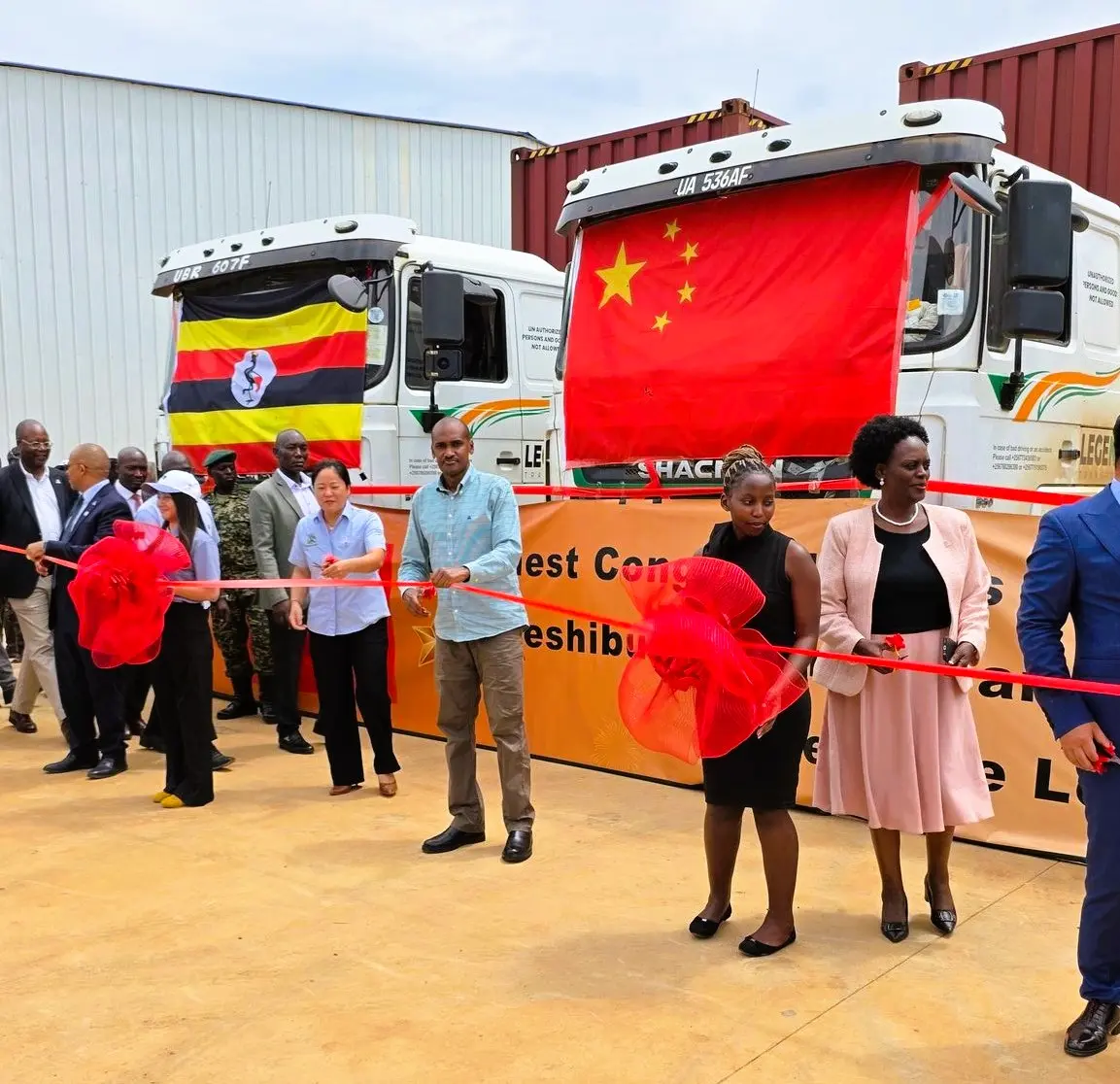
Meanwhile, United Nations Resident Coordinator in Uganda, Leonard Zulu, noted that value addition strengthens economic resilience, boosts export earnings, and creates employment opportunities.
The factory, established under the Uganda-China Agriculture Cooperation Industrial Park, was built with an investment of $11 million. It is expected to source pineapples from thousands of outgrower farmers across central Uganda, further expanding income opportunities in rural communities.
Deshiburg founder Yin Owen revealed that the company plans to diversify into juice processing and other fruit-based products as operations continue to grow.
With the factory already operating at full capacity, Uganda’s pineapple industry appears poised for a new era of growth, positioning local farmers to benefit from stronger markets and increased global demand for processed agricultural products.