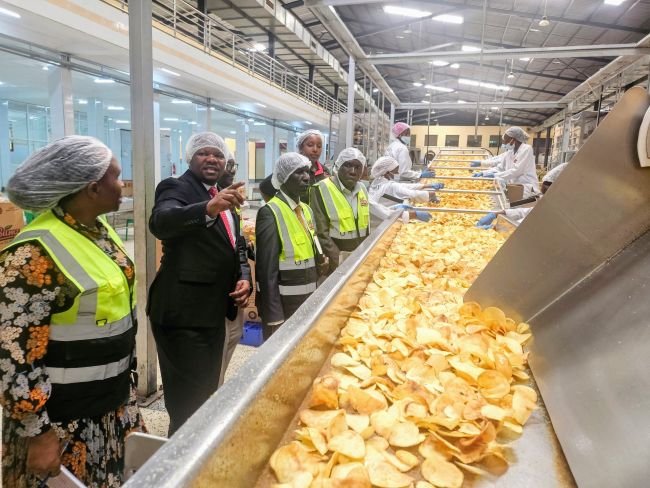

The Cabinet has approved the Food and Agriculture Regulatory Authority (FARA) Bill, 2026, paving the way for the establishment of a single regulatory body to oversee food safety, veterinary medicines, agricultural chemicals, and animal feeds across Uganda. The landmark proposal is aimed at enhancing consumer protection, improving food safety, and boosting the country’s agricultural competitiveness.
The Bill was endorsed during the Second Cabinet Meeting of 2026 held at State House, Entebbe. Once passed by Parliament, it will create the Food and Agriculture Regulatory Authority (FARA), consolidating regulatory functions that are currently shared between the National Drug Authority (NDA) and the Uganda National Bureau of Standards (UNBS).
According to ICT Minister Rt Hon Justine Kasule Lumumba, the proposed law is designed to eliminate long-standing overlaps between government agencies by bringing fragmented regulatory responsibilities under one institution. The new Authority will regulate veterinary medicines, veterinary vaccines, veterinary medical devices, veterinary cosmetics, laboratory supplies and reagents, agricultural chemicals, food products, and animal feeds.
Government believes that centralizing these responsibilities will improve coordination, strengthen enforcement, eliminate duplication, and enhance compliance throughout Uganda’s food and agricultural value chains. The move also supports the country’s broader agenda of modernizing agriculture and improving the quality and safety of locally produced food and agricultural products.
Strengthening Food Safety and Consumer Protection
With Uganda’s agricultural sector continuing to expand, food safety has become an increasingly important national priority. The proposed Authority is expected to ensure that both locally produced and imported food products meet established safety standards, safeguarding consumers from unsafe and substandard products.
The Bill also seeks to reinforce oversight of veterinary medicines and agricultural chemicals, sectors that have faced growing concerns over counterfeit products, misuse, and improper handling. Officials say stronger regulation across the entire production chain—from agricultural inputs to processed food products—will improve public health and increase confidence in Uganda’s food systems.
Supporting Agricultural Growth and Exports
Agriculture remains Uganda’s largest employer and one of its leading sources of foreign exchange, driven by exports of coffee, tea, fish, dairy products, fruits, grains, and horticultural produce. However, exporters have often encountered challenges related to evolving international sanitary and phytosanitary requirements, as well as quality certification standards.
Government expects the establishment of the Food and Agriculture Regulatory Authority to strengthen Uganda’s ability to meet international quality and safety standards, improve compliance, and enhance the competitiveness of the country’s agricultural exports in regional and global markets.