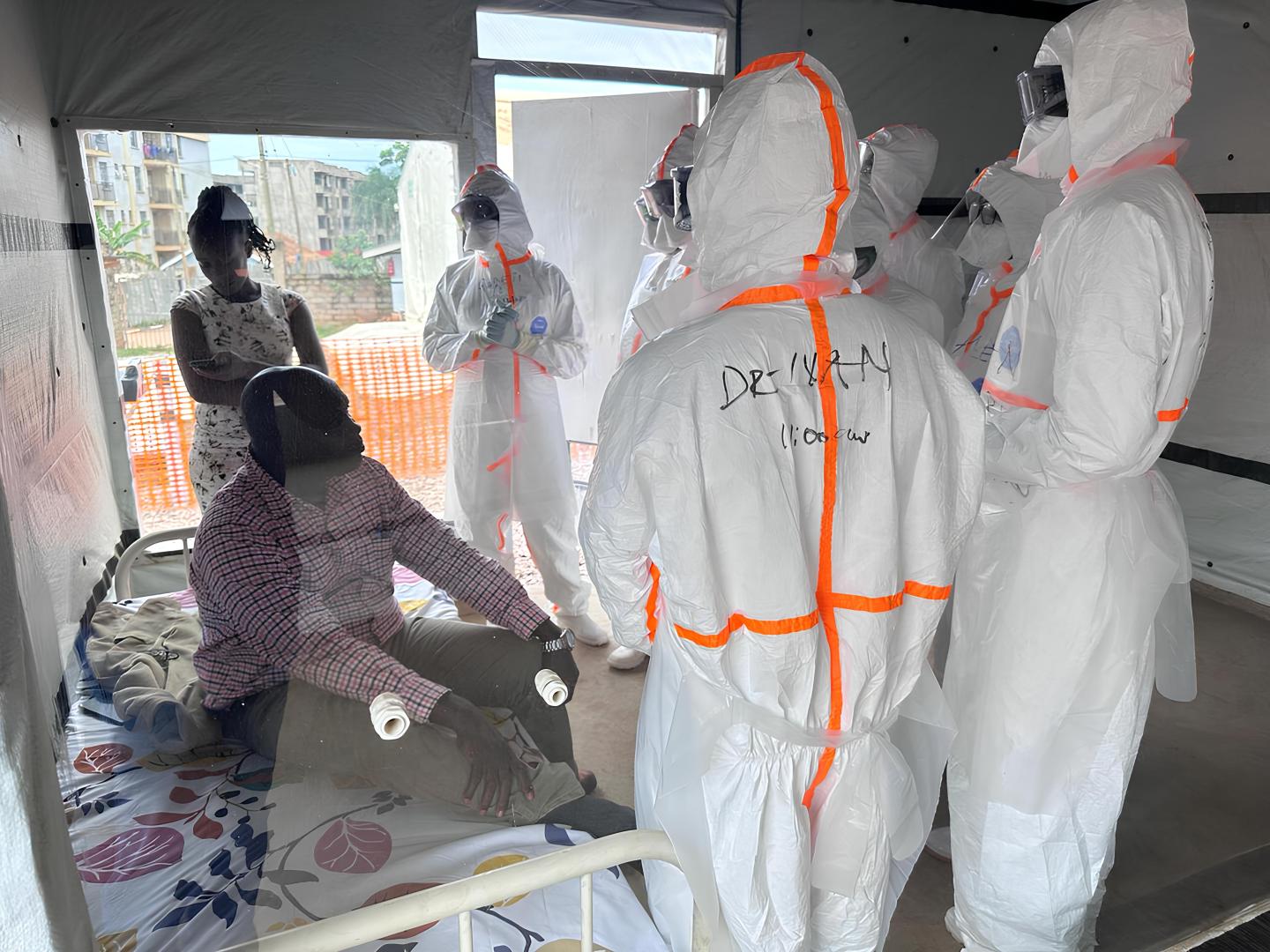

Uganda has reached a significant milestone in its fight against Ebola, with the country’s last remaining Ebola patient scheduled for discharge from the isolation unit at Mulago National Referral Hospital, marking a major step toward eliminating the disease.
The announcement was made on Wednesday by Uganda Media Centre Executive Director Allan Kasujja, who said the patient’s recovery signals the start of the official 42-day countdown required before Uganda can be declared Ebola-free under World Health Organization (WHO) guidelines.
According to WHO protocols, a country is declared Ebola-free after completing 42 consecutive days without recording a new confirmed case. The period, equivalent to two full incubation cycles of the virus, confirms that transmission has been successfully interrupted.
“If 42 days pass without a single new case, WHO guidelines stipulate that we will be declared Ebola free,” Kasujja said. 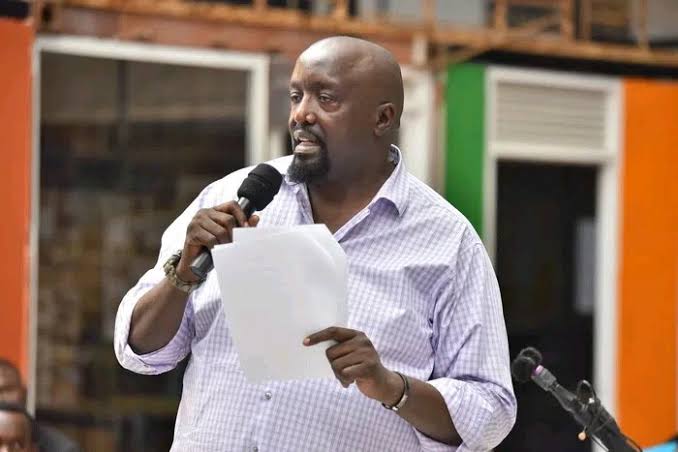
He commended Uganda’s effective response to the outbreak, attributing the achievement to the country’s strong public health systems and the cooperation of its citizens.
“I have said it before. Epidemics come to die in Uganda. We have the expertise. We have the most public health-aware citizens in the world,” he said.
Uganda has consistently earned international recognition for its rapid and coordinated response to disease outbreaks through effective surveillance, contact tracing, laboratory testing, and robust public health interventions.
Health authorities will continue intensified surveillance throughout the 42-day monitoring period to ensure that no new Ebola cases emerge before the country officially attains Ebola-free status.
If no additional infections are recorded during the countdown, Uganda will be formally declared Ebola-free in accordance with WHO protocols, marking another remarkable achievement in the nation’s public health efforts.
During the 2026 Bundibugyo ebolavirus outbreak, Uganda recorded a total of 20 confirmed cases, comprising 15 imported cases from the Democratic Republic of the Congo and five cases of local secondary transmission.