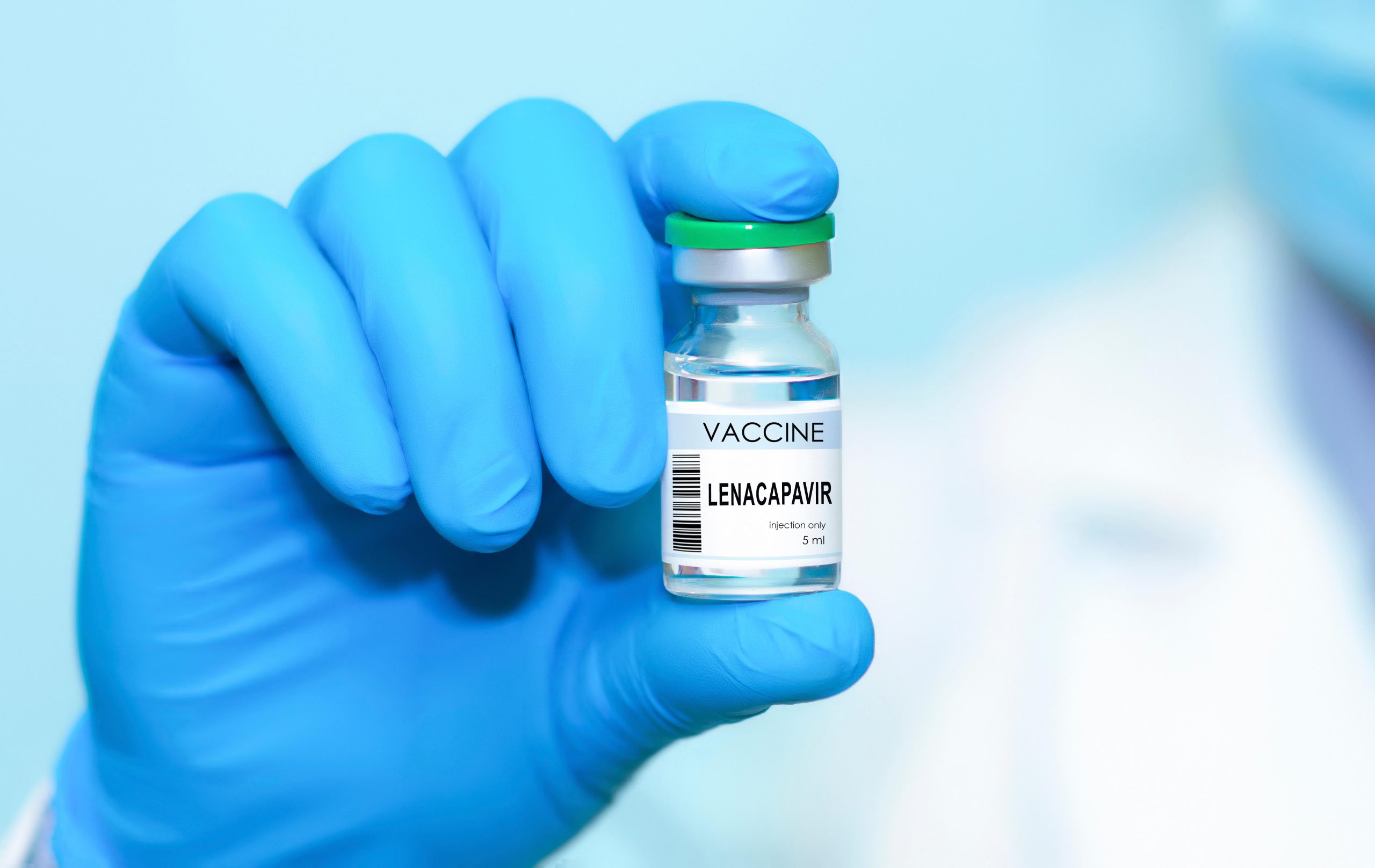

Uganda’s Ministry of Health is officially launching the nationwide rollout of Lenacapavir (LEN) injections today, Friday, April 17, 2026, at Lira Regional Referral Hospital—marking a major milestone in the country’s HIV prevention efforts.
This follows July 2025 guidelines from the World Health Organization recommending Lenacapavir as a twice-yearly injectable option for pre-exposure prophylaxis (PrEP). The policy is seen as a transformative step that could reshape the global HIV response, with Uganda among the African countries taking the lead in implementing it where it is most needed.
Lenacapavir is the first long-acting PrEP injection given only twice a year, offering a highly effective alternative to daily oral pills and shorter-term methods. Its convenience is expected to improve adherence, especially for individuals facing stigma, limited healthcare access, or challenges with daily medication routines.
According to Ministry of Health Communications Manager Emmanuel Ainebyona, the rollout will prioritize districts with high HIV transmission rates and key populations at greater risk. He emphasized that all individuals must first be assessed by health workers before receiving the injection, noting that Lenacapavir is not a vaccine and is administered twice annually.
The initial rollout in the Ankole sub-region will focus on three districts: Kazo, Mbarara, and Ibanda. Services will be provided at Kazo Health Centre IV, Bufunda Health Centre IV in Ibanda, and Bwizibwera Health Centre IV in Mbarara, alongside more than 120 health facilities nationwide. This announcement was made during a three-day training for health workers on HIV pre- and post-exposure prophylaxis held at Kazo Health Centre IV.
Dr. Edgar Kansiime explained that the injection will be offered to HIV-negative individuals in high-risk groups, including discordant couples and adolescent girls. He highlighted that the long-acting nature of Lenacapavir will reduce reliance on daily tablets, while still encouraging continued use of other prevention methods such as condoms.
He also underscored the urgency of strengthening prevention efforts, citing HIV prevalence rates of 6.4% among women, 3.4% among men, and 0.3% among children. In 2025 alone, Uganda recorded 21,000 new infections among women and 11,000 among men.
The rollout comes at a critical time, with over 1,500,000 people living with HIV in Uganda, including 930,000 women, 570,000 men, and 71,000 children. In the Ankole region, district-specific prevalence rates remain significant: Kiruhura (11%), Mbarara City (10%), Bushenyi (8%), Mbarara District (8%), Sheema (7%), Rwampara (7%), Ibanda (6%), Rubirizi (6%), Ntungamo (6%), Mitooma (5%), Buhweju (4%), Kazo (4%), and Isingiro (4%).
Overall, the introduction of Lenacapavir represents a hopeful and forward-looking advancement in Uganda’s fight against HIV, combining innovation with targeted, data-driven public health action.